
In recent years, the European Union (EU) has introduced several pieces of legislation that have significantly influenced various business practices, including recruitment. Notable among these are the Whistleblowing Act and the General Data Protection Regulation (GDPR). These laws, designed to protect personal data and encourage transparency, have reshaped the ethical landscape of recruitment in ways that are both commendable and controversial.
The Intended Ethical Shift
At its core, ethical recruitment involves processes that are fair, transparent, and free from discrimination, ensuring that all candidates have equal opportunities. The GDPR, which came into effect in May 2018, has become the foundation for advancing these principles. By enforcing strict rules on the collection, storage, and processing of personal data, GDPR compels recruiters to handle candidate information with a high level of integrity and security. This legislation mandates that candidates must be informed about what data is collected, why it is collected, and how long it will be retained. Such transparency builds trust and ensures a sense of fairness among job applicants.
Additionally, the Whistleblowing Act, effective from December 2021, offers protection to employees who expose illegal or unethical practices in their organizations. This act encourages a culture of openness and accountability, making organizations more vigilant about maintaining ethical practices in all their operations, including recruitment.
The Practical Outcomes
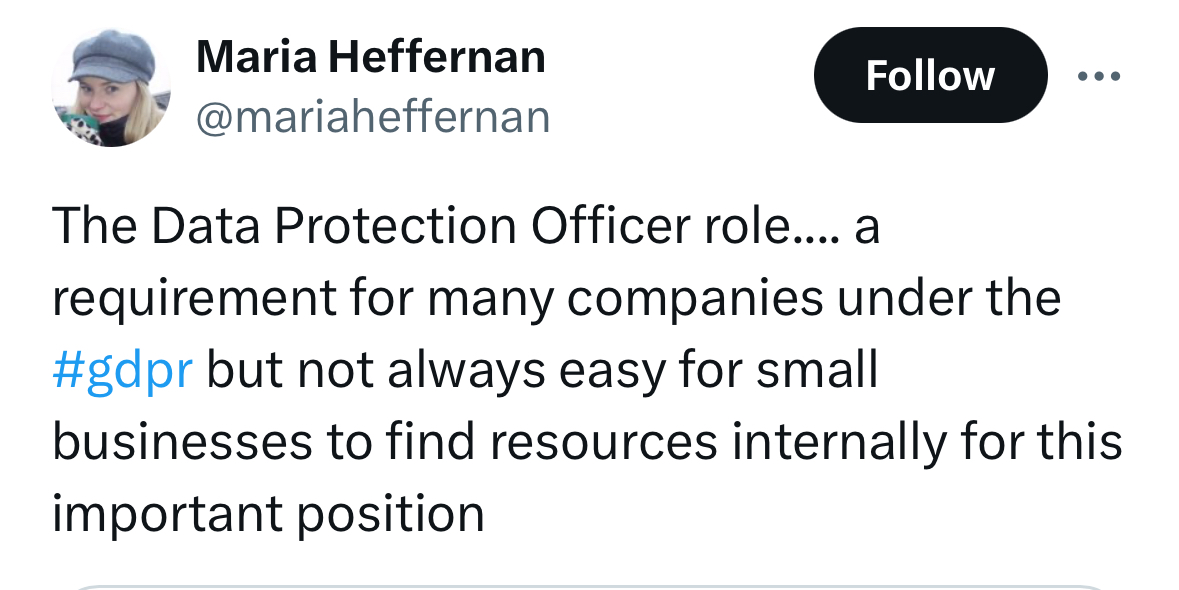
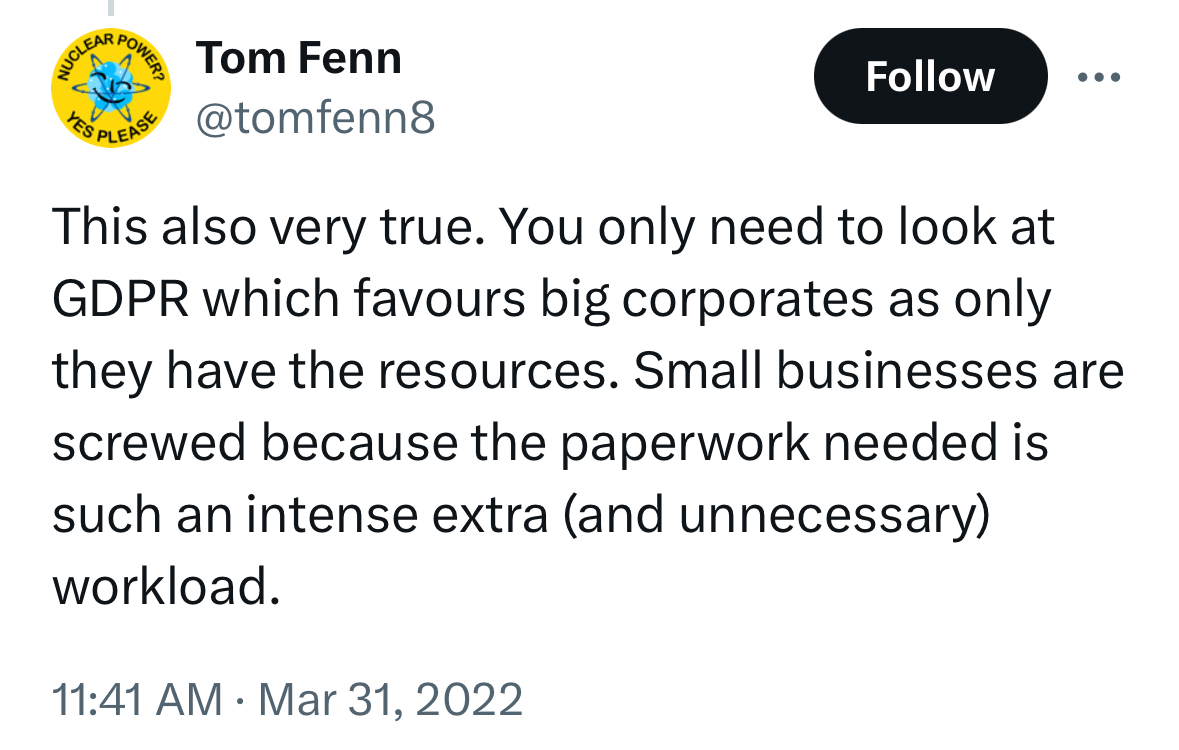
Despite the positive intentions behind these laws, their implementation has been met with mixed reactions, particularly from smaller businesses and startups. The stringent requirements of GDPR, for instance, have introduced a significant administrative burden. As the tweets above highlight, small businesses often lack the resources to manage compliance effectively, which can detract from their core operations, including recruitment. The fear of severe penalties for non-compliance might deter these businesses from innovative recruitment strategies, potentially stifling competition.
Moreover, while GDPR aims to protect personal data, it also imposes limitations on the recruitment process. For example, the regulation restricts the extent to which employers can research potential candidates on social media platforms. While this protects candidates’ privacy, it also limits the ability of recruiters to fully assess a candidate’s suitability and cultural fit within the company.
The Whistleblowing Act, while empowering employees, can also lead to unintended consequences in the recruitment process. The protection it offers can support disclosures that are not always made in good faith, leading to potential misuse. This could result in an atmosphere of suspicion and reticence among employers, who might become overly cautious in their hiring practices to avoid potential whistleblowing claims.
The Balance of Power
Another angle to consider is how these laws shift the power dynamics in the recruitment process. By empowering candidates and current employees through protective legislation like the GDPR and Whistleblowing Act, there is a notable shift towards candidate-centric recruitment. This shift is fundamentally ethical and aligns with a modern work culture that favours transparency and accountability. However, it also demands that recruiters adjust their practices significantly, which can be a source of contention.
Critics argue that such regulations can tip the balance too far, placing burdensome obligations on employers while offering them little latitude in how they manage their internal affairs, including recruitment. Supporters, on the other hand, see this as a necessary evolution in the corporate world, one that promotes dignity and equality for all workers.
Ethical Recruitment in a Regulated Era
Ultimately, the question arises: have these legislative measures made recruitment more ethical? The answer is nuanced. While undoubtedly promoting fairness and transparency, the complexity and breadth of these laws can sometimes hinder more than help. For ethical recruitment practices to be truly effective, they must strike a balance between protecting candidates’ rights and enabling employers to make informed hiring decisions.
In the future, organizations might benefit from further guidance and support in implementing these regulations, perhaps through simplified procedures or clearer guidelines that do not compromise the spirit of the legislation. Additionally, ongoing dialogue between policymakers, businesses, and civil society is crucial to refine these laws so they can effectively contribute to a more ethical recruitment landscape without imposing disproportionate burdens.
As we continue to navigate this regulated landscape, it’s essential to remain vigilant about the unintended effects of such legislation and be open to adjustments that enhance both compliance and recruitment efficacy. While the road to ethical recruitment in the EU might be fraught with challenges, the destination—a fair, transparent, and inclusive hiring process—is undoubtedly worth the journey.
Author: Mark Ollerton